

Environmental learning
Community Tree-Growing Educator
Supports practical learning about planting, species suitability, and ongoing care.
Environmental learning is strongest when it connects reliable information with local experience, practical skills, and care that continues over time.
Environmental education can happen in schools, community spaces, field activities, and conversations between people with different kinds of experience. These sample role profiles show the kinds of contributions a community environmental programme may draw on.
Supports practical learning about planting, species suitability, and ongoing care.

Encourages young people to connect environmental knowledge with local action.

Values listening, clear communication, and participation in local environmental priorities.

Helps learners notice connections between plants, animals, habitats, and human wellbeing.

Focuses on hands-on learning and habits that students can continue beyond a single activity.

Encourages informed conversations about soil health, water, and land stewardship.

Helps teams understand responsibilities, schedules, and safe participation.

Works toward clear expectations and respectful cooperation among community partners.

Promotes realistic planning, appropriate species choices, and follow-up care.
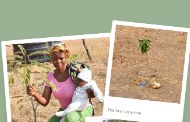
Turns complex environmental topics into clear, practical information for different audiences.
Values local experience and helps bring community perspectives into project planning.
Encourages steady, practical choices that support long-term environmental responsibility.
Good environmental learning makes room for questions, explains why a practice matters, and considers the conditions people face in their daily lives. A lesson about planting, for example, should address not only how to place a seedling in the ground but also what helps it survive: species suitability, soil, season, water, protection, and follow-up.
If you are interested in environmental education, school or community activities, or a possible collaboration, contact the foundation to ask about current opportunities. We will confirm what is available rather than imply that every programme is running at all times.
Ask about learning activities ↗Practical activities are more meaningful when participants understand their purpose and what happens next.